
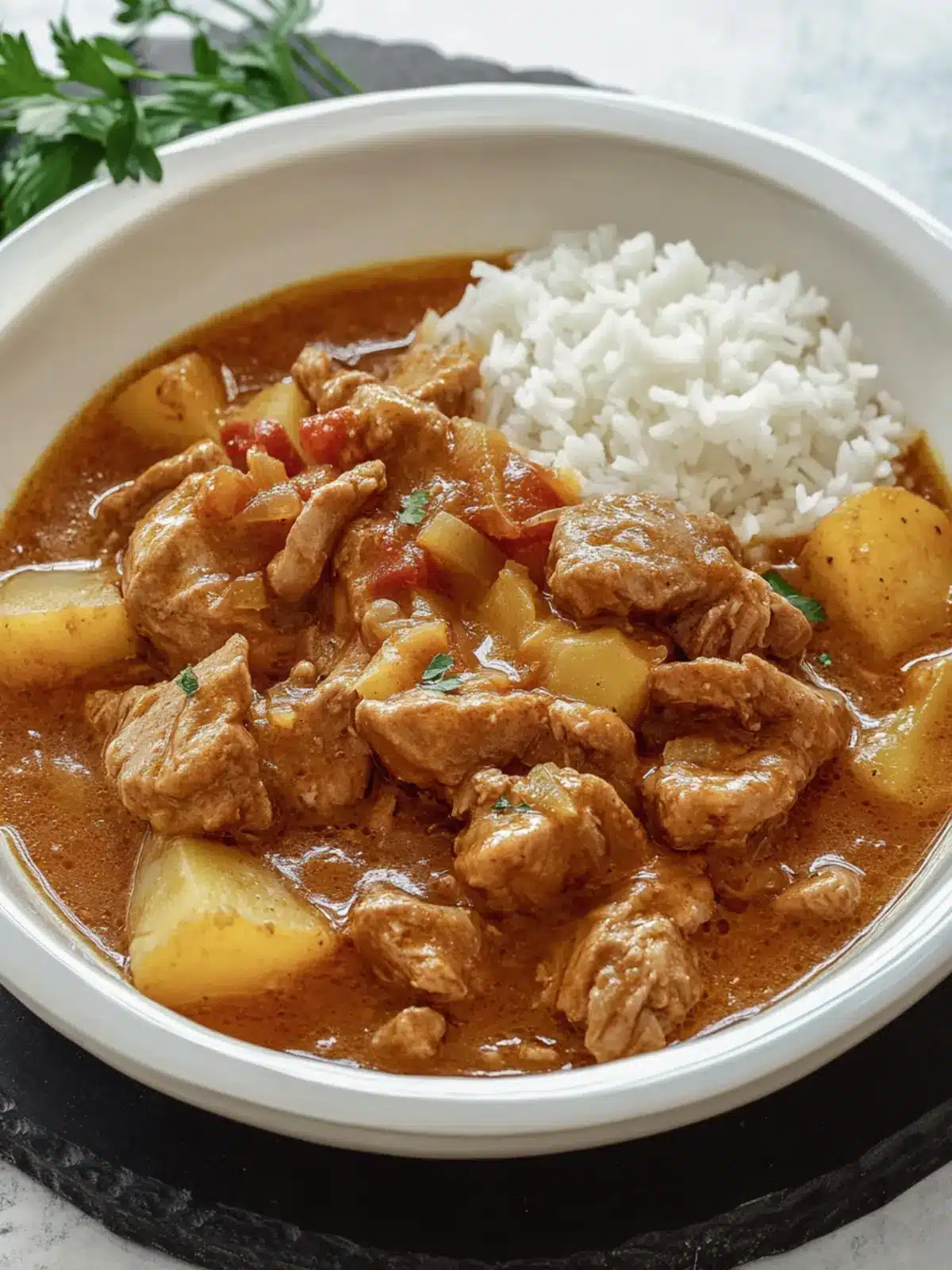
The first chill of autumn was creeping into the air when I decided to whisk up something special for dinner. That’s when the rich aroma of spices filled my kitchen, transporting me straight to the heart of Peru with the delightful essence of traditional Carapulcra. This hearty stew, a labor of love combining succulent pork and unique dried potatoes, is like a warm hug on a plate. As the tender pieces of pork simmer slowly, they absorb the smoky depth of ají pastes and the warmth of cinnamon and cloves, wrapping every bite in comforting flavor.
Whether you’re gathering with family or simply looking to break free from the monotony of fast food, this dish promises not just nourishment but a genuine taste of tradition. Carapulcra isn’t just a meal; it’s a story, a culture, and a reminder that sometimes the best meals are the ones that connect us to our roots. So, roll up your sleeves and let’s dive into the heart of Peruvian cuisine together!
Why is Peruvian Carapulcra so special?
Authenticity, this dish is a cherished Peruvian classic that embodies rich culinary traditions. Hearty and Warm, it’s the ultimate comfort food, perfect for chilly evenings. Flavor Explosion, the blend of smoky ají pastes with a hint of cinnamon creates a delightful taste that lingers. Versatile Choice, it’s easy to customize with different meats or veggies, making it suitable for every palate. Time-Honored Tradition, each bite offers a taste of history, connecting you to the vibrant culture of Peru. For more delicious ideas, check out this comforting stews collection that elevates your dining experience!
Peruvian Carapulcra Ingredients
The magic of Peruvian Carapulcra begins with these essential ingredients.
For the Stew
- Pork Shoulder – adds protein and richness; can substitute with chicken for a lighter version.
- Papa Seca (Dried Yellow Potatoes) – provides structure and unique texture; cannot be substituted easily, but regular potatoes can be used in a pinch.
- Onion – builds the flavor base and sweetness; use yellow or white onion to avoid overpowering flavors.
- Garlic – enhances aroma and flavor; can substitute with garlic powder if needed.
For the Flavor
- Ají Panca Paste – contributes rich, smoky depth; can be replaced with other red chili pastes if ají panca is unavailable.
- Ají Amarillo Paste – adds warmth and color; substitute with a mild chili paste for less heat.
- Cinnamon Stick – imparts warmth and sweetness; ground cinnamon can be used, but use less (½ tsp).
- Cloves – offer aromatic spiciness; avoid if you prefer milder flavors.
For Extra Richness
- Roasted Peanuts – imparts a nutty flavor; optional and can be skipped for nut allergies or replaced with sunflower seeds.
- Vegetable Oil – used for browning the pork; olive or canola oil are good alternatives.
- Chicken Stock – provides depth of flavor; vegetable stock can be used for a lighter option.
- Salt and Black Pepper – essential for seasoning to taste.
Start gathering these ingredients, and you’ll be on your way to creating your own comforting bowl of traditional Peruvian Carapulcra!
How to Make Peruvian Carapulcra
Soak the Potatoes:
Start by soaking the papa seca in warm water for at least 1 hour. This will help soften them, giving your stew that delightful texture. Drain and set aside once softened.Brown the Pork:
Heat a splash of vegetable oil in a large pot over medium heat. Add the pork shoulder pieces, browning them on all sides. If your pot isn’t large enough, work in batches to ensure even browning. Once browned, remove and set aside.Sauté the Aromatics:
In the same pot, toss in the diced onion and sauté until it becomes translucent and fragrant. Add the minced garlic, cooking for just 1 additional minute until aromatic.Incorporate the Spices:
Stir in the ají panca and ají amarillo pastes, letting them cook until they release their delightful aroma. Add the spices: cinnamon stick, cloves, salt, and black pepper, stirring to combine.Combine the Ingredients:
Add the browned pork back into the pot, coating it well with the spice mixture. Pour in the chicken stock, and bring it all to a gentle boil to harmonize those flavors.Simmer the Stew:
Cover the pot and reduce the heat to low, letting it simmer for 30 minutes. This gentle cooking will help tenderize the pork beautifully.Add the Potatoes and Peanuts:
Now, add the soaked papa seca and ground peanuts to the pot. Cook uncovered for 30-40 minutes, stirring occasionally, until the stew thickens to your liking.Finalize and Serve:
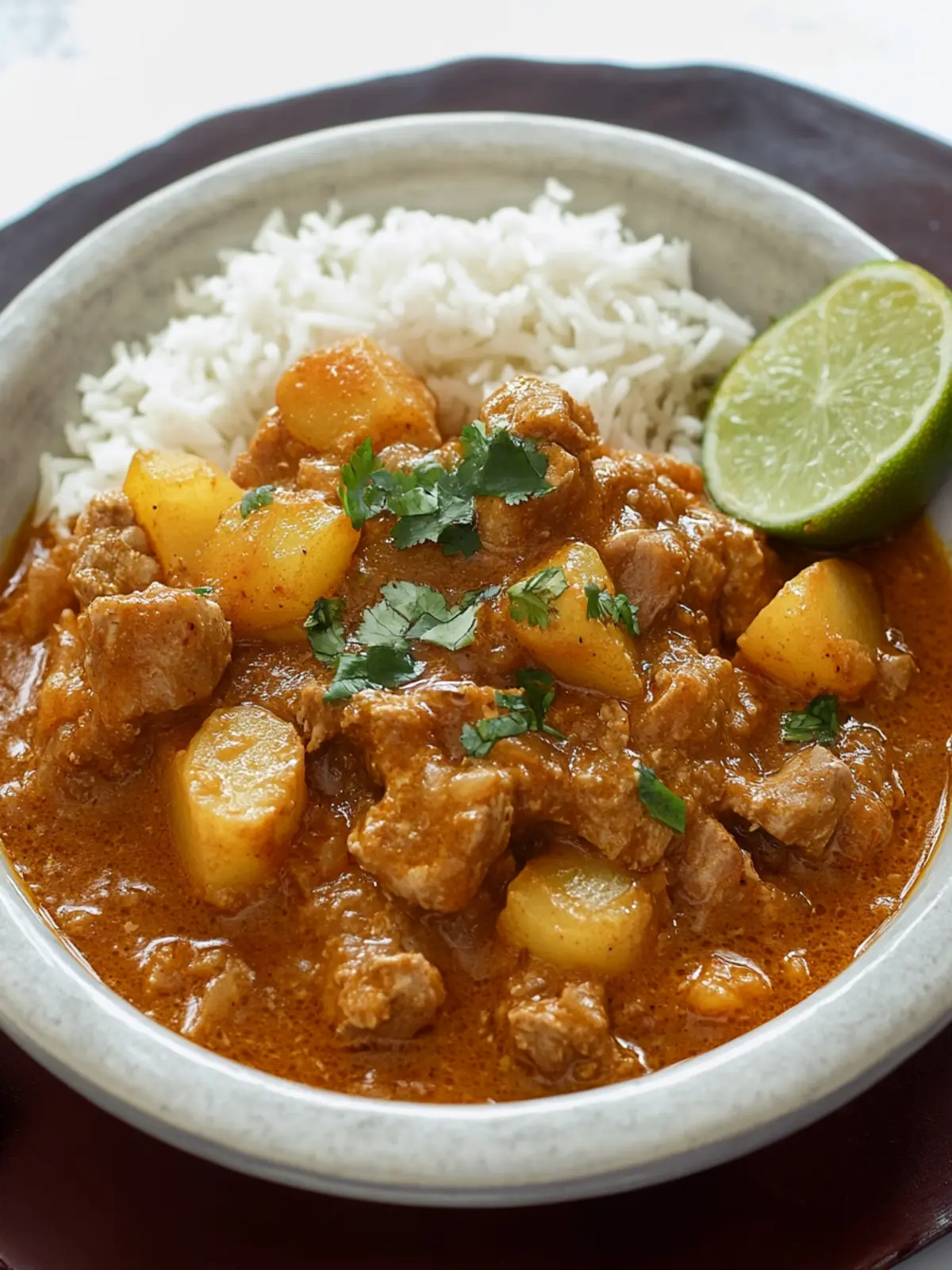
Taste your stew and adjust the seasoning as needed. If it’s too thick, feel free to add a splash of water. Serve hot over fluffy white rice, garnished with fresh coriander for a perfect touch.
Optional: For an authentic touch, serve with a side of fried sweet potato or boiled yucca.
Exact quantities are listed in the recipe card below.
Peruvian Carapulcra Variations
Customize your Carapulcra to suit your taste preferences and dietary needs—each variation tells its own delicious story!
Chicken Option: Substitute pork with diced chicken thighs for a lighter yet equally flavorful stew. The chicken will absorb the spices beautifully.
Vegetarian Delight: Replace meat with hearty vegetables like mushrooms and zucchini for a vegetarian version. Enjoy the same robust flavors with a plant-based twist!
Extra Veggies: Add diced carrots or peas during the simmering process for vibrant color and added nutrition. These veggies bring a subtle sweetness that complements the spices.
Spicy Kick: Incorporate chopped fresh chilies or a pinch of cayenne pepper for those who crave a bit more heat. This will elevate the traditional flavors to a new level!
Smoky Depth: A splash of smoked paprika can enhance the smoky flavor profile if you want to deepen the stew’s richness. Just a sprinkle does wonders!
Nuts and Seeds: For texture, add toasted sunflower seeds or crushed walnuts to the finished dish. This little crunch creates a delightful contrast to the tender pork.
Wine Infusion: Pour in some red wine during the cooking process for an added layer of depth and complexity. Pairing wine with your spices gives a delectable twist.
Herb Boost: Toss in fresh herbs like thyme or cilantro towards the end of cooking. This fresh touch elevates the aroma and adds a burst of flavor to each comforting bite.
Expert Tips for Peruvian Carapulcra
Soak Smart: Ensure papa seca is thoroughly soaked for at least 1 hour. This step prevents a grainy texture and promotes even cooking.
Heat Control: Always cook on low heat to avoid burning the bottom of the pot. Slow cooking is key for tender pork in your Carapulcra.
Season Wisely: Taste your stew towards the end, adjusting seasoning as needed. This ensures personalized flavor and maximizes the richness of the dish.
Spice Balance: Be mindful with spices. If you prefer milder flavors, start with less ají paste and gradually increase to your liking.
Meat Variations: Feel free to substitute pork with chicken or turkey for lighter versions. Adjust cooking time accordingly to ensure tenderness.
Texture Perfection: If you desire a thicker stew, let it cook uncovered longer, stirring to release and combine flavors in your Peruvian Carapulcra.
What to Serve with Peruvian Carapulcra?
Elevate your dining experience with delightful sides that pair beautifully with this hearty stew.
- Fluffy White Rice: Offers a perfect base to soak up the rich, savory stew, balancing flavors and adding a comforting touch.
- Fried Sweet Potatoes: Their natural sweetness complements the smoky notes of Carapulcra, creating a delightful contrast in textures and flavors.
For a refreshing touch, consider a side salad.
Crisp Green Salad: A light, zesty salad with vinaigrette cuts through the stew’s richness, providing a crunchy contrast that brightens the meal.
Boiled Yucca: A traditional favorite, its subtle flavor and soft texture make it an ideal companion to this robust dish.
Roasted Corn: The charred sweetness of roasted corn adds a delightful pop, enhancing the dish’s enticing flavors and adding a bit of crunch.
Finally, don’t forget the drinks!
- Chicha Morada: This sweet Peruvian purple corn drink adds a refreshing sweetness, a perfect contrast against the spicy and smoky notes of the stew.
The perfect accompaniment can turn your Peruvian Carapulcra into a celebrated feast, filled with variety and warmth.
Make Ahead Options
Preparing your Peruvian Carapulcra ahead of time is a fantastic way to save precious moments during busy weeknights! You can soak the papa seca (dried potatoes) and even brown the pork up to 24 hours in advance. Simply soak the potatoes in warm water until softened, then drain them. For the pork, brown it in oil and store it in an airtight container in the refrigerator until you’re ready to continue cooking. When you’re set to serve, reheat the pork and follow the remaining instructions, adding the spices and simmering with the soaked potatoes. This method not only preserves the stew’s rich flavors but also allows for a stress-free meal that’s just as delicious when made ahead!
Storage Tips for Peruvian Carapulcra
Room Temperature: Store leftover Peruvian Carapulcra at room temperature for no more than 2 hours to prevent bacterial growth.
Fridge: Keep your stew in an airtight container in the refrigerator for up to 3 days. Reheat gently on the stove or microwave, adding a splash of water if needed.
Freezer: For longer storage, freeze Carapulcra in a freezer-safe container for up to 3 months. Thaw overnight in the fridge before reheating.
Reheating: To enjoy the best texture, reheat on low heat, stirring occasionally until warmed through, as this will help retain the rich flavors.
Peruvian Carapulcra Recipe FAQs
What type of potatoes should I use for Carapulcra?
Absolutely! For an authentic taste and texture, use papa seca (dried yellow potatoes), as they are traditional to this Peruvian dish. If you can’t find them, you can use regular potatoes as a substitute in a pinch, but be aware that the texture will differ significantly.
How should I store leftover Carapulcra?
You can store your leftover Peruvian Carapulcra in an airtight container in the refrigerator for up to 3 days. Be sure to let the stew cool completely before sealing it. When reheating, you might need to add a splash of water to maintain the flavor and consistency!
Can I freeze Carapulcra?
Definitely! To freeze your Carapulcra, allow it to cool completely and then transfer it to a freezer-safe container. It can be frozen for up to 3 months. When you’re ready to enjoy it, thaw in the refrigerator overnight before reheating gently on the stove.
What if my Carapulcra turns out too thick?
Very! If you find your Carapulcra is thicker than you’d like, simply stir in some water or chicken stock during the last few minutes of cooking. This will help reach your desired consistency and allow the rich flavors to meld beautifully.
Are there any allergies I should be aware of with this recipe?
Absolutely! This recipe contains peanuts, which can be an allergen for some individuals. To make it nut-free, you can either omit the peanuts entirely or substitute them with sunflower seeds. Always check labels and ingredient lists to ensure safety.
Can I substitute the pork with another meat?
Very much so! While traditional Carapulcra uses pork shoulder, it can be substituted with chicken or turkey for a lighter version. If you opt for chicken, adjust the cooking time accordingly, as it may cook faster than pork. Just make sure to keep it tender and juicy!